A coffee table provides a convenient surface in front of a sofa while helping organise the seating area and adding style to the living room. From compact designs for smaller rooms to larger tables suited to spacious seating areas, there are many options to consider. When shopping for coffee tables in Perth, considering the size, materials, features and overall design can help you find the right option for your living space.
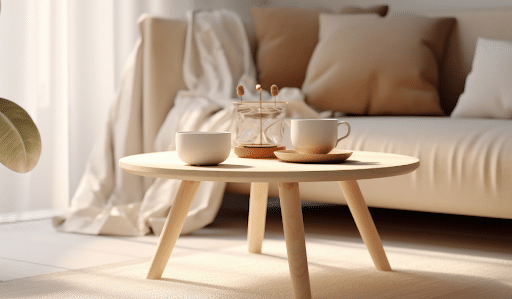
What Is a Coffee Table?
A coffee table is a low table designed for use in front of or between living room seating. It is typically lower than a dining table, making it easy to reach from a sofa or lounge chair.
Available in a variety of shapes, sizes, materials and designs, coffee tables can suit different room layouts and interior styles. Some feature a simple tabletop with open legs, while others include drawers, shelves or lift-up surfaces for added practicality. The most suitable option will depend on the size of the room, the seating arrangement and how the table is intended to be used.
A well-selected coffee table should complement the seating area without making movement difficult. Its design can also complement larger furniture pieces, such as sofas, leather lounges, armchairs and entertainment units.
Ways to Use a Coffee Table in Your Living Room
A coffee table can serve several practical and decorative purposes in a living room.
- Helps Define the Seating Area: Placing a coffee table in front of a sofa can visually connect the seating pieces and create a clear arrangement within the room.
- Creating a Central Focal Point: A distinctive table can draw attention to the centre of the seating area and complement the surrounding furniture.
- Supporting Everyday Activities: A coffee table provides a convenient place for drinks, snacks, remote controls, books and other frequently used items.
- Creates Space for Decorative Pieces: The tabletop can be used to display candles, vases, books, trays or other accessories that suit the room.
- Providing a Convenient Surface: Whether relaxing with a cup of tea or entertaining guests, having a surface within easy reach makes the seating area more practical.
Key Features of a Coffee Table
Several features should be considered before selecting a coffee table. Looking beyond appearance can help ensure the design suits the room and everyday requirements.
Size and Proportion
Size and proportion are key features of a coffee table, covering its length, width and height. These dimensions influence how much surface area the table provides and how well it relates to the surrounding furniture.
The table should have dimensions that suit the sofa and available living room space. Its height is also important, with a design that is level with or slightly below the sofa seat generally making everyday use more convenient.
Material and Finish
The material of a coffee table affects its appearance, durability and care requirements. Common options include timber, glass, metal and stone, each offering different qualities.
The finish can range from natural timber and matte surfaces to polished or textured designs. Choosing a suitable material and finish can help the coffee table coordinate with the rest of the living room.
Storage and Flexible Designs
Storage is a useful feature in coffee tables, with options such as drawers, shelves and lower compartments for keeping everyday items organised. These spaces can hold books, remotes and other small belongings.
Flexible designs can offer additional uses, such as lift-top surfaces that provide a raised area for working, reading or dining. Such features can make a coffee table more practical for everyday living.
Durability and Stability
A durable coffee table should have strong materials and a sturdy frame for regular use. A stable base helps prevent movement and keeps the table secure during everyday activities. Good construction can also help the table maintain its condition over time.
Ease of Maintenance
A coffee table should be easy to clean and care for, especially when used regularly. Materials with simple cleaning requirements can make routine upkeep more convenient and help maintain the table’s appearance over time.
Coffee Table Styling Ideas for Your Living Room
Once the right table has been selected, a few carefully chosen accessories can help complete the look.
Style With a Decorative Tray
A tray can group smaller items and keep the tabletop organised. Place items such as candles, coasters or a small vase inside the tray, leaving enough open space for practical use.
Add Coffee Table Books
A small stack of coffee table books can add colour and personality without taking over the surface. Choose books that reflect interests or complement the colours already used throughout the room.
Incorporate Decorative Objects
Decorative objects can include ceramic pieces, candles, bowls or sculptural accessories. Varying the height of these items can create a more balanced arrangement.
Coordinate With the Surrounding Furniture
The coffee table does not need to match every piece of furniture exactly. Instead, consider shared details such as timber tones, metal finishes, colours or shapes. This can help the table feel connected to the rest of the living room.
Add Natural Elements
A small plant, fresh flowers or a simple arrangement of branches can introduce a natural feature to the tabletop. Keep the arrangement proportionate to the size of the table so it does not interfere with everyday use.
Conclusion
A coffee table can bring together the practical and decorative sides of a living room. The right size, shape, material and storage features can make the table easier to use while complementing the surrounding furniture. Careful styling can then give the space a finished appearance without overcrowding the tabletop.
Frequently Asked Questions
What size coffee table is suitable for a living room?
The suitable size depends on the sofa, seating arrangement and available floor space. The table should be large enough to serve its purpose while leaving comfortable room for movement around it.
How high should a coffee table be compared with a sofa?
A coffee table is generally around the same height as the sofa seat or slightly lower. This keeps the surface within easy reach and creates a comfortable relationship between the table and seating.
Which coffee table shape is best for a living room?
Rectangular tables often suit longer sofas, while round and oval designs can work well where softer lines or easier movement are preferred. Square tables can suit larger seating arrangements.
What materials are commonly used for coffee tables?
Common materials include timber, glass, metal and stone. Some designs combine two or more materials to create a particular style or add functional features.
How much space should be left around a coffee table?
Leave enough space between the coffee table and surrounding seating for comfortable movement and easy access. The gap should allow people to walk around and use the table without making the living area feel cramped.