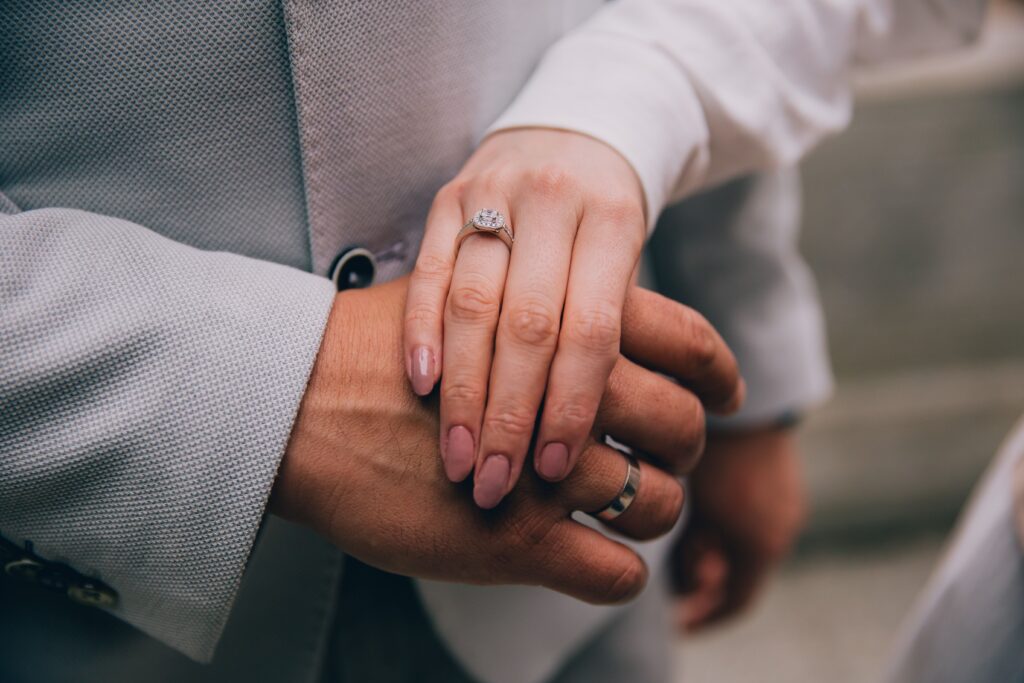
 Two diamond rings can look almost identical in photographs yet feel completely different on the hand. One may sit comfortably against a wedding band, while the other catches on clothing. Their diamonds might have the same carat weight but noticeably different dimensions and sparkle.
These differences matter when researching lab grown diamond rings Adelaide, particularly if you are comparing designs online before arranging a viewing or placing an order. The smartest approach is to examine the diamond and its setting separately before considering how they work together. A few details that rarely appear in product photographs can make a considerable difference to appearance, comfort and long-term wear.
Start With Diamond Measurements Rather Than Carat Weight
Carat describes a diamond’s weight, not its visible size. Two diamonds weighing 1.5 carats may look different when viewed from above because their proportions and cutting styles vary. A deeper diamond can carry additional weight below the surface without appearing noticeably larger. A shallower stone may have a greater face-up spread, although excessive shallowness can affect light performance. For Adelaide buyers comparing stones, dimensions in millimetres provide useful information alongside carat weight.
Shape also changes how a diamond appears on the finger.
- Round brilliant: Offers a balanced outline and strong potential for brightness when well cut.
- Oval: Creates an elongated appearance, although proportions and central shadowing deserve attention.
- Emerald cut: Shows broad flashes of light and makes some internal characteristics easier to notice.
- Radiant cut: Combines a rectangular or square outline with brilliant-style faceting.
- Pear shape: Creates an asymmetrical silhouette that requires careful setting alignment and tip protection.
Rather than automatically increasing carat weight, compare two diamonds of similar weight in their actual face-up dimensions.
The Difference Between a Good Grade and an Attractive Diamond
A grading report provides valuable technical information, but it cannot fully communicate how a diamond appears in everyday lighting. Cut quality affects the way light travels through a diamond and returns to the viewer. Brightness, coloured flashes and patterns of light and shadow contribute to its appearance.
Round brilliant diamonds are generally easier to compare using established cut grading systems. Fancy shapes require greater attention to individual proportions and visual characteristics. For example, some oval diamonds display a dark pattern across their centre, commonly called the bow-tie effect. A slight shadow can create attractive contrast, but a broad, persistent dark area may distract from the stone’s appearance.
Ask to examine a video showing the diamond moving under consistent lighting. If viewing stones in person, compare them away from intense display spotlights. Colour and clarity should also be judged in context. A diamond with a very high clarity grade is not automatically more attractive to the unaided eye than a slightly lower-graded stone. If inclusions are not noticeable during normal viewing, spending extra for a higher grade may produce little visible difference.
Read the Grading Report Before Comparing Prices
Laboratory-grown diamonds have essentially the same chemical composition, crystal structure and physical properties as natural diamonds. They are produced through controlled processes such as chemical vapour deposition (CVD) or high-pressure, high-temperature (HPHT).
An independent report helps establish the diamond’s identity and documented characteristics. The International Gemological Institute (IGI), for example, provides laboratory-grown diamond reports that may include colour, clarity, carat weight, measurements and cut-related assessments.
The Gemological Institute of America (GIA) also assesses laboratory-grown diamonds, although its current reporting formats differ from traditional natural-diamond grading reports. Certain colourless to near-colourless laboratory-grown diamonds receive Premium or Standard quality assessments.
Before committing to a stone, confirm:
- The issuing laboratory and report number.
- Whether the report identifies the diamond as laboratory-grown.
- Which measurements and quality assessments are included.
- Whether any relevant growth or treatment information is disclosed.
Verify the report directly through the issuing laboratory’s website. A grading document establishes gemological characteristics; it does not guarantee a particular resale value.
Ring Height Can Matter as Much as Diamond Shape
The setting influences far more than appearance. It determines how the diamond is secured, how high it sits and how easily the ring fits into daily activities. A high-set solitaire can give the centre diamond a prominent appearance. However, its raised profile may be inconvenient for someone who regularly wears gloves or works with their hands.
A lower setting may feel less intrusive, although the available space beneath the diamond can limit wedding-band compatibility. Bezel settings surround the diamond with a metal rim, providing protection around its edge. Prong settings expose more of the stone but require periodic inspection to ensure the claws remain secure.
For someone who prefers a delicate design, an extremely thin band may seem appealing. Yet band thickness also influences structural strength, particularly when supporting a larger centre stone. Ask the jeweller about the finished band’s width, thickness and setting height rather than judging these details from enlarged product images.
Match the Precious Metal to Your Maintenance Preferences
The metal changes the ring’s colour, weight and maintenance requirements. Platinum offers a naturally white appearance and develops a surface patina with wear. It is dense and commonly used for engagement-ring settings. White gold provides a similar bright appearance but is often rhodium-plated. That plating can wear over time and may need refreshing.
Yellow gold creates a warmer contrast around a colourless or near-colourless diamond. Rose gold has a pinkish tone produced through its alloy composition.
For regular wear, 14ct and 18ct gold are both established jewellery options. Their different alloy compositions affect hardness, colour and gold content, so neither should be selected solely by its carat designation. Metal choice should also account for possible skin sensitivities and the wearer’s preference for future polishing or replating.
Consider the Wedding Band Before Finalising the Engagement Ring
A common design oversight is selecting the engagement ring without considering the wedding band that will eventually sit beside it. Some low-set engagement rings leave insufficient space for a straight wedding band to sit flush against the main ring.
That creates several possibilities: accept a small gap, choose a contoured wedding band or adjust the engagement-ring design before manufacture. Hidden halos, decorative baskets and certain side-stone settings can create similar fitting challenges.
If both rings will be worn together, ask to see them as a pair. Also consider whether the metals and band profiles are compatible and whether the finished combination feels comfortable between the fingers. A coordinated design can avoid the need for later alterations.
Ordering a Diamond Ring in Adelaide: Details Worth Confirming
Local access can help with ring sizing, design discussions and viewing potential settings. Online comparison remains useful for examining diamond specifications before making an appointment.
Novita Diamonds is one Australian jewellery retailer buyers may consider when comparing lab created diamonds and different engagement-ring designs. Regardless of the retailer, the individual stone’s specifications and the finished ring’s construction deserve close examination.
Before placing an order, establish whether the quoted amount covers the diamond, setting, applicable taxes and any requested customisation.
Check the expected production timeframe, delivery arrangements, resizing policy and access to future maintenance. If the ring is needed for a planned proposal, leave room for adjustments rather than relying on the earliest estimated delivery date.
Australian consumer guarantees generally provide remedies for goods that fail to meet legal requirements. However, a change of mind does not automatically entitle a buyer to a refund. Retailer policies should be reviewed separately, particularly for customised jewellery.
Finally, request written confirmation of the ring size, precious metal, diamond report number and approved design. These records provide a practical reference if the finished piece needs checking or adjustments after collection.