A meat processing facility may follow strict cleaning procedures and still encounter contamination in areas that appear perfectly clean. Equipment is washed, surfaces are sanitised and hygiene checks are completed before production begins. Yet certain bacteria can remain attached to machinery and gradually form communities that are much harder to remove than ordinary food residues.
This is where biofilm becomes a concern. Unlike loose contamination that can be removed through routine cleaning, biofilm creates a protective environment in which microorganisms can persist. For meat processors, understanding how biofilm develops is important because it can affect hygiene performance even when cleaning schedules are followed consistently.
Effective meat processing plant cleaning therefore involves more than removing visible fat, blood and protein deposits. It also requires attention to the surfaces and conditions that allow microorganisms to attach, multiply and become increasingly difficult to control.
What Exactly Is Biofilm in Meat Processing Equipment?
Biofilm is a community of microorganisms attached to a surface and surrounded by a protective material that they produce. This material contains substances such as polysaccharides, proteins and extracellular DNA. Together, they form a structure that helps microorganisms remain attached and survive environmental challenges.
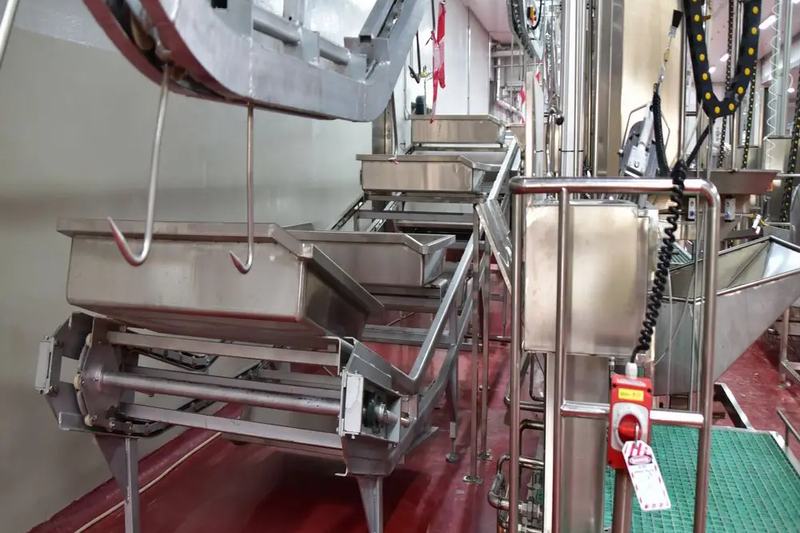
In meat processing environments, biofilms may develop on stainless steel, plastic, rubber and other materials used in production equipment. Although stainless steel is widely used because it is durable and relatively easy to clean, bacteria can still attach to it when suitable conditions exist.
The problem is that biofilm is not always visible. A conveyor belt or cutting surface may look clean while microorganisms remain in small surface imperfections or inaccessible areas. This makes biofilm particularly challenging for hygiene teams relying mainly on visual inspections.
How Does Biofilm Begin to Form?
Biofilm formation usually starts when microorganisms encounter a surface where moisture and nutrients are available. Meat processing equipment can provide these conditions through contact with meat juices, fat, proteins and water used during production and cleaning.
Initially, some bacteria attach loosely to the surface. If they are not removed, they may become more firmly attached and begin producing the protective material that holds the developing community together.
As the biofilm grows, additional microorganisms may become incorporated into the structure. Over time, the community can develop into a more complex layer that is increasingly difficult to remove using routine cleaning procedures.
This process does not necessarily happen at the same rate everywhere. Temperature, surface condition, available nutrients, moisture and the types of microorganisms present can all influence biofilm development.
Why Are Certain Equipment Areas More Vulnerable?
Not every part of a meat processing facility presents the same biofilm risk. Areas that are frequently exposed to food residues but difficult to clean thoroughly are particularly important.
Conveyor belt connections, rollers, cutting equipment, seals and equipment joints may contain narrow spaces where residues accumulate. These areas can remain damp even after exposed surfaces have been washed.
For example, a conveyor may receive thorough cleaning along its visible belt surface while moisture and organic material remain around supporting components. If these concealed areas are not adequately cleaned, they can provide conditions that favour microbial attachment.
Equipment with damaged seals, scratched surfaces or deteriorating components may present additional difficulties. Small gaps can protect microorganisms from cleaning action and make it harder for detergents and sanitisers to reach affected areas.
Why Is Biofilm More Difficult to Remove Than Ordinary Bacteria?
The protective matrix surrounding a biofilm is one of the main reasons it can be difficult to eliminate. This structure helps microorganisms remain attached to surfaces and can reduce the effectiveness of some cleaning and sanitising treatments.
Microorganisms within a biofilm may also behave differently from bacteria suspended freely in water. Some can become less susceptible to environmental stresses or antimicrobial treatments, depending on the organism and surrounding conditions.
This does not mean that every biofilm is resistant to every sanitiser. However, a cleaning procedure that works effectively against loose contamination may not be sufficient to remove an established biofilm.
Mechanical action is often important because the attached material must be physically disrupted. Suitable detergents, appropriate contact times and access to affected surfaces also contribute to effective removal.
Simply increasing sanitiser concentration without following an approved cleaning procedure may create chemical hazards without solving the underlying problem.
Can Biofilm Survive Regular Cleaning and Sanitising?
Regular cleaning reduces the conditions that support biofilm development, but its effectiveness depends on how thoroughly the procedure is carried out.
If equipment is not adequately cleaned before sanitising, remaining organic material may interfere with the sanitiser. The protective biofilm structure can also make it more difficult for the treatment to reach microorganisms within the community.
Consider a cutting machine that requires partial dismantling for proper cleaning. If staff clean only the accessible components, residues may remain inside joints or beneath removable parts.
Repeated cleaning of the visible surfaces will not necessarily address contamination in these concealed areas. The biofilm may continue to persist despite the equipment appearing clean after every shift.
This is why cleaning instructions should identify components that require dismantling and explain how each area must be treated.
How Does Equipment Design Influence Biofilm Formation?
Equipment design has a considerable influence on how easily biofilm can be prevented or removed. Machinery with smooth surfaces, accessible components and effective drainage is generally easier to clean than equipment containing narrow gaps or areas where water collects.
Poorly positioned machinery can also create problems. Equipment installed too close to walls or surrounding structures may prevent hygiene staff from reaching important surfaces.
Over time, normal wear can introduce additional risks. Damaged seals, deteriorating conveyor materials and scratched surfaces can create spaces where microorganisms remain protected from cleaning.
Maintenance teams therefore play an important role in biofilm prevention. Replacing worn components and addressing equipment defects can improve cleaning access and reduce opportunities for contamination to persist.
When purchasing new machinery, manufacturers should consider hygienic design alongside production capacity and operating efficiency.
Why Moisture Management Matters
Moisture is an important factor in microbial survival and biofilm development. Meat processing environments often involve frequent washing, wet production activities and temperature controlled rooms where condensation may occur.
Water can collect beneath machinery, around drainage points and inside equipment components. When moisture remains alongside organic residues, conditions may support microbial attachment and growth.
For example, a processing line may be cleaned thoroughly at the end of a shift, but water trapped beneath a conveyor frame may remain for an extended period. If that area also contains small amounts of meat residue, it deserves closer hygiene attention.
Facilities should therefore examine drainage performance, condensation problems and areas where water repeatedly accumulates. Removing unnecessary moisture and improving access for cleaning can help reduce conditions favourable to biofilm development.
Can Biofilm Contribute to Repeated Contamination?
An established biofilm can act as a persistent source of microorganisms within a processing environment. Under certain conditions, microorganisms or fragments of the biofilm may detach and spread to surrounding areas.
This can contribute to repeated contamination findings even when routine cleaning has been completed. However, recurring positive results do not automatically prove that a biofilm is present.
Other causes may include unsuitable cleaning methods, contaminated tools, equipment damage or movement of microorganisms between hygiene zones.
When the same location repeatedly produces unsatisfactory microbiological results, facilities should investigate the underlying conditions. Examining equipment accessibility, cleaning effectiveness and moisture accumulation can help identify possible sources.
Where necessary, specialist investigation and targeted sampling may provide additional information about persistent contamination.
How Can Meat Processing Facilities Detect Biofilm?
Detecting biofilm is not always straightforward because it may be invisible and located in difficult to access areas.
Visual inspections can identify food residues, damaged surfaces and moisture accumulation, but they cannot reliably confirm whether biofilm is present or absent.
ATP testing may help identify residual biological material after cleaning. However, ATP results do not specifically identify biofilm or confirm the presence of particular pathogens.
Microbiological surface sampling and environmental monitoring can provide further information about microorganisms recovered from selected areas. Repeated findings in the same location may justify a closer investigation.
Facilities should interpret results within their established food safety monitoring programmes. No single routine test can guarantee that all biofilm has been detected throughout a processing line.
What Cleaning Practices Help Control Biofilm?
Preventing biofilm development is generally easier than dealing with an established microbial community. Effective control begins with removing organic residues before they become difficult to access or remain attached for extended periods.
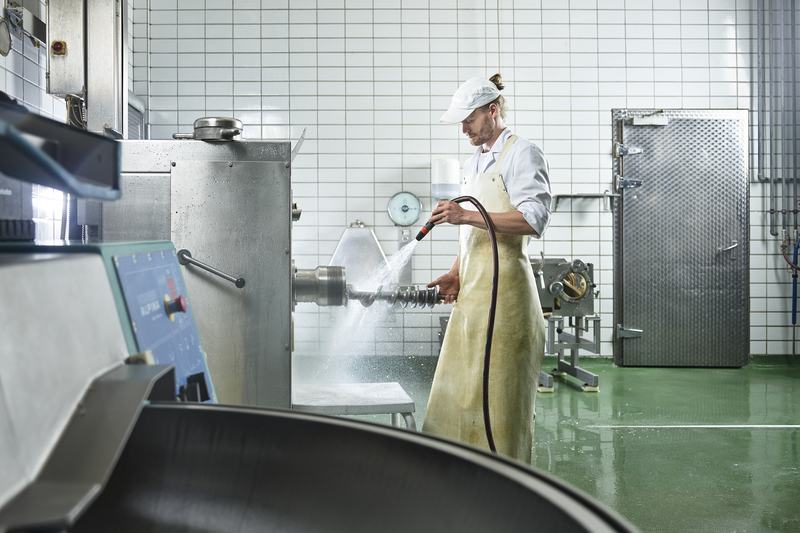
Cleaning procedures should use suitable detergents, appropriate mechanical action and the required contact times. Equipment should be dismantled where necessary and where permitted by the manufacturer’s instructions.
Sanitising should follow effective cleaning rather than being treated as a substitute for it. Chemical products must be used according to their approved instructions, including concentration, temperature and rinsing requirements where applicable.
Hygiene teams should also pay attention to cleaning tools. Brushes and other accessories need suitable maintenance and storage to avoid transferring contamination between equipment areas.
Regular verification helps determine whether the cleaning process is achieving its intended result. Where persistent problems are identified, the facility may need to review its methods rather than simply repeating the same procedure.
For persistent built-up residue, many facilities also use deep cleaning services for removing built-up grime as part of their wider hygiene programme.
Why Staff Training and Maintenance Need to Work Together
Biofilm control is not solely the responsibility of cleaning personnel. Production workers, maintenance teams and food safety managers all influence the conditions in which microorganisms may survive.
Cleaning staff need to understand which equipment components require particular attention and why inaccessible areas matter. Maintenance personnel should recognise that damaged seals, poor drainage and worn surfaces can create hygiene problems.
Production teams can also help by reporting equipment defects and unusual residue accumulation. These observations may reveal developing issues before they appear in routine microbiological results.
When departments share information, facilities are better placed to address the physical causes of contamination rather than relying entirely on additional cleaning.
Keeping Biofilm Under Control Requires Consistency
Biofilm presents a challenge because it can develop in places that are not easily visible and become more difficult to remove as microbial communities establish themselves.
For meat processing facilities, the most effective approach combines thorough residue removal, suitable sanitising procedures, accessible equipment design and regular hygiene verification. Moisture control and preventive maintenance also help reduce the conditions that allow microorganisms to persist.
The goal is not simply to make machinery look clean at the end of each shift. It is to ensure that cleaning procedures reach the areas where contamination can survive and that recurring problems are investigated properly.
By understanding how biofilm forms and why it can resist routine cleaning, meat processors can make more informed decisions about equipment maintenance, hygiene procedures and long term contamination control.