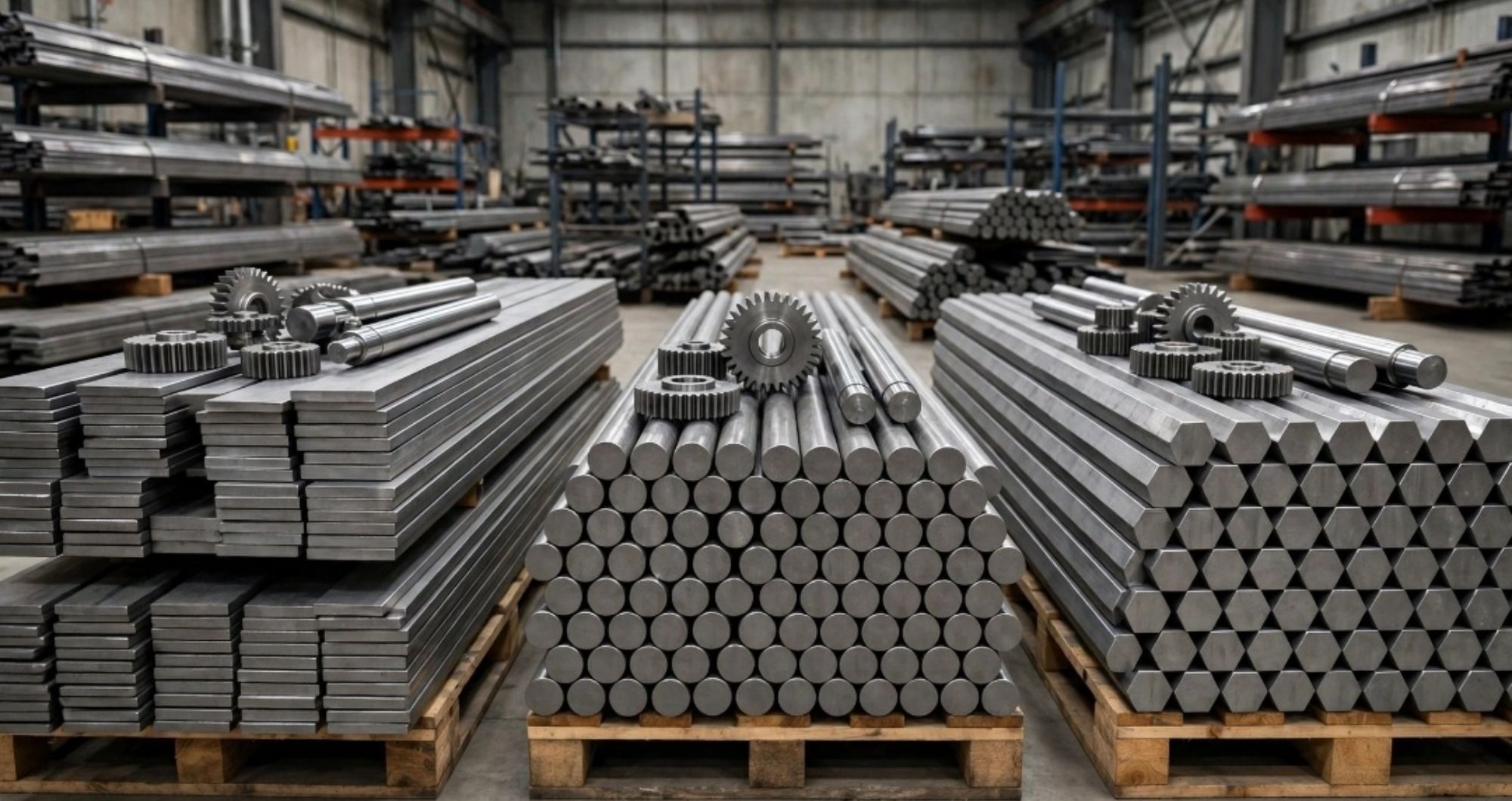
EN24T steel is a high-strength alloy steel widely used in engineering and manufacturing applications where durability, toughness and wear resistance are important. Known by its updated designation, 817M40T, this material contains nickel, chromium and molybdenum, which contribute to its mechanical performance. It is commonly selected for components that must withstand considerable loads and demanding working conditions.
When choosing EN24T steel, it is important to understand its properties, available forms and suitability for the intended application. Midland Special Steels supplies this alloy in different forms and sizes to support a range of engineering requirements. Understanding the material can help manufacturers and engineers make informed decisions when selecting steel for precision components and heavy-duty machinery.
What Is EN24T Steel?
EN24T is a nickel-chromium-molybdenum alloy steel valued for its high tensile strength, toughness and resistance to wear. It is identified as 817M40T under the later BS 970 designation, while EN24T is the earlier designation.
The material is generally supplied in a hardened-and-tempered condition, known as the T condition. This treatment provides a useful combination of strength and machinability, making the steel suitable for manufacturing components that must perform reliably under demanding mechanical conditions.
Key Properties of EN24T Steel
One of the main reasons engineers choose EN24T steel is its combination of mechanical properties. Its composition and heat-treated condition make it suitable for components exposed to substantial forces, repeated loading and mechanical wear.
Important characteristics include:
- High tensile strength: Helps components withstand considerable pulling forces.
- Good toughness: Supports performance under impact and demanding operating conditions.
- Wear resistance: Makes the material suitable for moving mechanical parts.
- Machinability: Allows the production of accurately shaped components when appropriate machining methods are used.
- Ductility: Allows deformation to a degree without immediate fracture.
The precise properties depend on the section size, material condition and applicable specification. Technical data should always be checked before selecting a grade for a particular engineering requirement.
Chemical Composition of EN24T Steel
EN24T steel’s performance comes from its combination of alloying elements. Nickel, chromium and molybdenum contribute to its strength, hardenability and toughness, while carbon supports hardness and strength.
The main elements include:
- Nickel: Helps improve toughness and impact resistance.
- Chromium: Contributes to hardenability and wear resistance.
- Molybdenum: Supports strength and performance during heat treatment.
- Carbon: Influences hardness, strength and machinability.
- Manganese and silicon: Support the steel’s strength and processing characteristics.
The proportions of these elements must meet the relevant material specification. Checking the manufacturer’s material certificate helps confirm that the supplied steel meets the required chemical composition.
Common Applications of EN24T Steel
EN24T steel is widely used in industries that require strong and durable mechanical components. Its combination of tensile strength, toughness and wear resistance makes it suitable for parts exposed to repeated movement, friction and heavy loads.
Common applications include:
- Transmission shafts and drive axles
- Heavy-duty gears and pinions
- Crankshafts and couplings
- High-strength bolts, studs and fasteners
- Spindles and splined shafts
- Pump rods and tool holders
- Selected aerospace and offshore engineering components
The appropriate grade depends on the operating environment, component design and required mechanical properties. Engineers should assess the relevant specification before using EN24T in safety-critical applications.
What Are the Benefits of EN24T Alloy Steel?
EN24T alloy steel combines high strength, toughness and wear resistance, making it suitable for demanding engineering applications. Its ability to withstand heavy loads and impact forces makes it a practical choice for manufacturing durable mechanical components.
The hardened and tempered condition also offers useful machinability, allowing manufacturers to produce components with accurate dimensions. For machinery, vehicle parts and industrial equipment, EN24T can provide a reliable solution when its properties meet the specific operating and manufacturing requirements.
Available Forms and Sizes of EN24T Steel
EN24T steel is available in different forms to suit a range of engineering and manufacturing requirements. Midland Special Steels offers bright drawn bars, hot rolled bars, turned and polished bars, and forged blocks, along with cutting-to-length services to meet specific project needs.
The available round bar sizes range from 10mm to 310mm in diameter, subject to stock and product specifications. Choosing the right form and dimensions can help reduce material waste, simplify machining and ensure the steel meets the requirements of the finished component.
How Does EN24T Compare with Other Steel Grades?
EN24T steel is a popular choice for engineering applications that require high strength, toughness and wear resistance. However, other steel grades may be more suitable depending on factors such as machinability, cost and the specific demands of the application.
Also known as 817M40T, EN24T is sometimes compared with grades such as SAE 4340 and 34CrNiMo6. Before selecting an alternative, it is important to check the relevant material standards, heat-treated condition and mechanical properties to ensure the steel meets the component’s requirements.
What Should You Consider When Buying EN24T Steel?
Selecting the right EN24T steel involves more than checking its name and dimensions. The material must meet the technical requirements of the finished component and the manufacturing process.
Consider the following factors before placing an order:
- Required dimensions: Confirm the diameter, length and shape needed for production.
- Material condition: Check whether the hardened-and-tempered T condition is suitable.
- Certification: Request documentation confirming the material’s specification and traceability.
- Processing requirements: Establish whether cutting, grinding or machining services are needed.
- Delivery arrangements: Confirm availability and expected dispatch times with the supplier.
For demanding engineering projects, discussing these details with a specialist steel stockholder can help reduce material selection errors and support consistent manufacturing quality.
Where Can You Source EN24T Steel in the UK?
Midland Special Steels supplies EN24T steel for a wide range of engineering and industrial applications. Its product range includes various bar forms and forged blocks, supported by services such as cutting to length, centreless grinding, heat treatment, ultrasonic testing and bespoke machining to meet specific project requirements.
Based in Dudley, the company serves customers across the UK and Ireland, helping businesses source suitable materials for their manufacturing needs. From selecting the right dimensions to arranging additional processing, Midland Special Steels can help you find the right solution for your application.