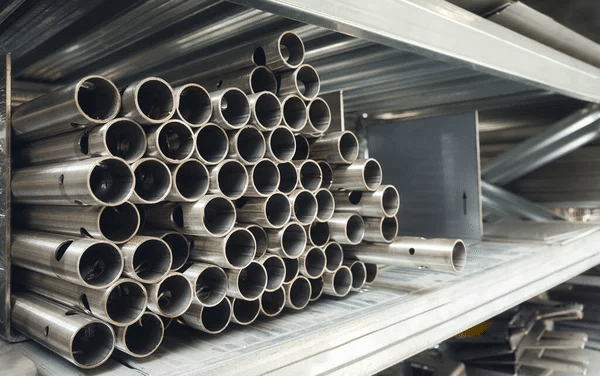
Stainless steel products play an important role in modern Australian industries, providing strength, durability and corrosion resistance across a wide range of applications. From construction and manufacturing to food processing and residential design, stainless steel is valued for its ability to withstand demanding conditions while maintaining an attractive appearance. Its versatility makes it a practical material for projects that require reliable performance, long service life and minimal maintenance.
One of the main reasons stainless steel products are so widely used is their resistance to rust and corrosion. Chromium within the alloy forms a thin protective layer on the surface, helping prevent damage caused by moisture, oxygen and various environmental conditions. Depending on its grade, stainless steel can also withstand exposure to chemicals, high temperatures and regular cleaning. These characteristics make it suitable for indoor and outdoor applications throughout Australia.
Common Types of Stainless Steel Products
Stainless steel is available in numerous forms to suit different industrial, commercial and domestic requirements. Stainless steel sheets and plates are frequently used in fabrication, machinery, wall cladding, workbenches and architectural features. Their strength and formability allow manufacturers to cut, bend and shape the material into components for specialised applications.
Stainless steel tubes and pipes are essential in plumbing, fluid transportation, industrial processing and structural frameworks. They offer durability and dependable performance when selected according to the pressure, temperature and substances involved. Stainless steel bars, rods and angles are also widely used in engineering, construction and metal fabrication, providing structural support and precision components.
Other popular stainless steel products include fasteners, fittings, wire mesh, handrails, sinks, storage tanks and kitchen equipment. Each product serves a different purpose, making it important to understand the operating environment and performance requirements before selecting a suitable material.
Choosing the Right Stainless Steel Grade
Selecting the correct stainless steel grade is essential for achieving the desired balance of strength, corrosion resistance, cost and workability. Different grades contain varying amounts of chromium, nickel, molybdenum and other alloying elements, which influence their properties and suitability for particular environments.
Grade 304 stainless steel is one of the most commonly used options. It offers good corrosion resistance, formability and weldability, making it suitable for kitchen equipment, food preparation surfaces, architectural fittings and general fabrication.
Grade 316 stainless steel provides greater resistance to corrosion in environments containing chlorides, making it particularly useful for coastal areas, marine applications and certain chemical processing operations. Although it generally costs more than Grade 304, its enhanced resistance may provide better long-term value in demanding conditions.
Grade 430 stainless steel is another option, often selected for indoor appliances, decorative components and applications where moderate corrosion resistance is sufficient. Its magnetic properties and comparatively lower cost can make it suitable for specific requirements.
When comparing stainless steel grades, consider exposure to moisture, salt, chemicals, operating temperatures and cleaning products. Consulting relevant material specifications can help ensure that the selected grade meets Australian standards and the intended application’s technical requirements.
Applications Across Australian Industries
Stainless steel products are used extensively throughout Australia’s construction and infrastructure sectors. Builders and fabricators rely on stainless steel for balustrades, handrails, fixings, structural components and architectural finishes. Its clean appearance complements contemporary designs, while its durability supports long-term use in commercial and residential buildings.
The food and beverage industry also depends on stainless steel because it is hygienic, easy to clean and resistant to many common cleaning agents. Preparation benches, processing equipment, commercial sinks and storage vessels are often manufactured from suitable stainless steel grades. Smooth surfaces and appropriate fabrication help reduce areas where dirt and contaminants may accumulate.
In healthcare and laboratory environments, stainless steel is used for instrument tables, trolleys, sinks, work surfaces and specialised equipment. Its ability to tolerate frequent cleaning makes it valuable in settings where hygiene is a priority. However, the correct grade, surface finish and maintenance routine remain important for reliable performance.
Manufacturing, automotive, mining and agricultural operations use stainless steel components where durability and resistance to wear or corrosion are required. Depending on the application, stainless steel may be incorporated into machinery, processing systems, storage equipment and transport infrastructure.
Factors to Consider When Buying Stainless Steel Products
Purchasing stainless steel products involves more than comparing prices. Material grade, dimensions, thickness, finish and manufacturing quality all influence the suitability of a product for its intended purpose. Choosing an inappropriate specification can result in unnecessary costs, premature deterioration or difficulties during installation.
Surface finish is another important consideration. A brushed or satin finish may be preferred for architectural applications because it provides a contemporary appearance and can help disguise minor marks. Polished stainless steel offers a reflective surface suited to decorative features, while specialised finishes may be selected for particular industrial requirements.
Product dimensions and tolerances should also be checked carefully, especially when stainless steel components must fit existing machinery or fabricated assemblies. Accurate measurements can reduce material waste, installation delays and additional processing expenses.
Buyers should also consider availability, delivery schedules, documentation and compliance requirements. Material certificates and traceability records may be necessary for structural, industrial or regulated applications. Confirming these details before ordering helps prevent project disruptions and supports consistent quality.
Maintaining Stainless Steel for Long-Term Performance
Although stainless steel is durable, it still requires appropriate care to preserve its appearance and corrosion resistance. Regular cleaning removes dirt, grease, salt deposits and other contaminants that can affect the protective surface layer.
For routine maintenance, warm water, a mild detergent and a soft cloth are often sufficient. Cleaning in the direction of the surface grain can help maintain the finish and reduce visible streaking. After washing, rinsing thoroughly and drying the surface can minimise watermarks and deposits.
Abrasive pads, harsh cleaning chemicals and unsuitable steel wool should generally be avoided because they may scratch the surface or introduce particles that contribute to rust staining. In coastal locations, more frequent cleaning may be necessary because airborne salt can accumulate on exposed metal surfaces.
If discolouration or corrosion appears, the affected area should be assessed and cleaned using a method appropriate for the stainless steel grade and finish. Preventative maintenance, suitable installation practices and the avoidance of contact with incompatible metals can help extend product life.
Sustainability and the Value of Stainless Steel
Sustainability is an increasingly important consideration when selecting construction and manufacturing materials. Stainless steel is recyclable and can often be recovered and reused at the end of a product’s service life. Its durability also helps reduce the need for frequent replacement, potentially lowering material consumption over time.
The overall environmental impact depends on factors such as manufacturing methods, transportation, product lifespan, maintenance and recycling arrangements. Choosing appropriately specified stainless steel products can support resource efficiency while delivering dependable performance across many applications.
For Australian businesses and households, evaluating long-term operating costs alongside the initial purchase price can provide a clearer picture of value. Products that last longer and require less intensive maintenance may offer financial and practical advantages throughout their service life.
Conclusion
Stainless steel products remain a valuable choice for Australian construction, manufacturing, food processing, healthcare and residential applications. Their combination of corrosion resistance, strength, versatility and recyclability makes them suitable for projects with varied performance and design requirements. By understanding stainless steel grades, comparing product specifications and following appropriate maintenance practices, buyers can make informed decisions that support durability and efficiency. Selecting the right stainless steel material for the intended environment helps maximise service life, maintain appearance and deliver lasting value.