Flooring problems do not always appear immediately after a renovation. A tiled surface may look perfectly level and secure when first installed, yet months or years later, homeowners can begin noticing hollow sounds, loose tiles, cracked grout, uneven surfaces, or moisture-related damage. These issues are often associated with factors beneath the visible finish rather than the tiles themselves. Understanding how tile materials, subfloor conditions, moisture exposure, and installation methods interact is essential when planning a long-lasting flooring project.
In Australian residential construction, floor tiles must perform under a variety of environmental and structural conditions. Seasonal temperature changes, shifting building foundations, moisture movement, and differences in construction materials can all influence how a tiled floor behaves over time. Homeowners researching suitable products through retailers such as Bargain Factory Tile Outlet should consider not only the visual appearance of a tile but also the technical requirements of the space where it will be installed.
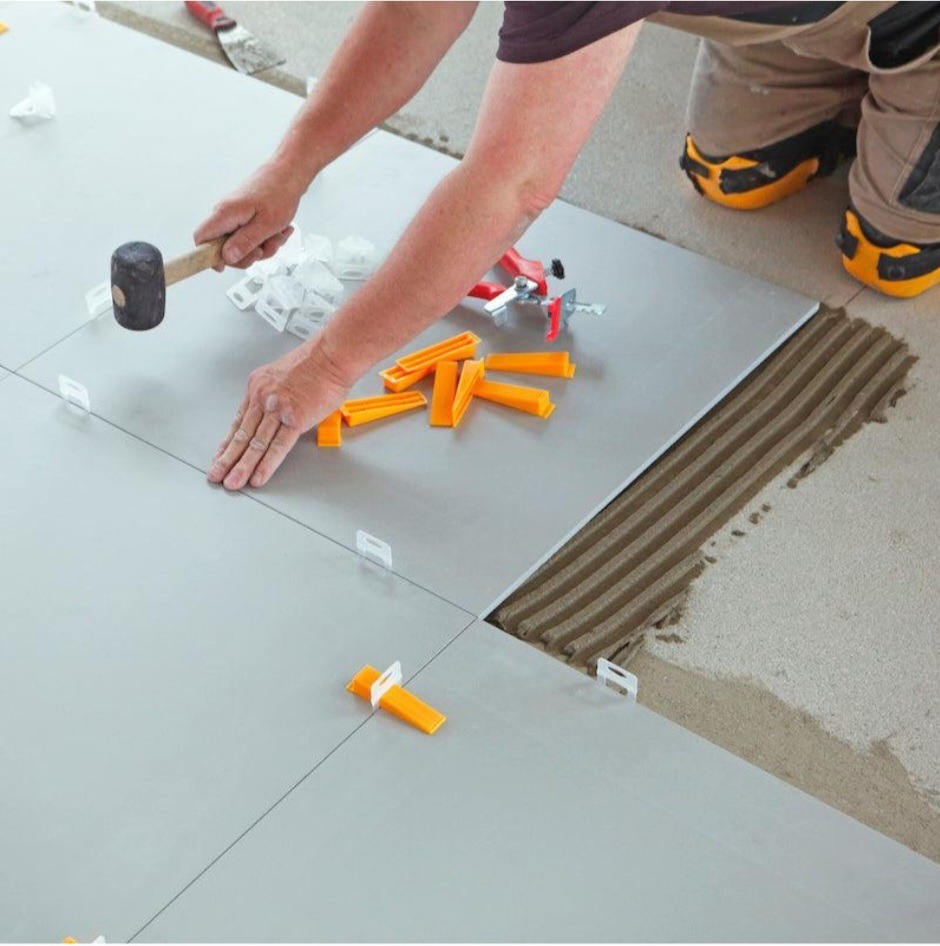
A successful tiled floor is the result of several connected components working together. The tile, adhesive, grout, waterproofing system, substrate, and movement joints each contribute to the overall performance of the finished surface. If one component is unsuitable or incorrectly installed, the entire flooring system may become vulnerable to premature deterioration.
The Hidden Relationship Between Subfloor Conditions and Tile Durability
One of the most important factors affecting tiled flooring is the condition of the surface underneath it. Tiles are rigid materials, which means they cannot easily accommodate significant movement in the substrate. If the underlying concrete slab or timber floor flexes, shifts, or develops uneven areas, stress can transfer directly to the tiled surface.
Concrete substrates may experience shrinkage as they cure, while timber flooring can expand, contract, and flex in response to changes in temperature and humidity. These movements are not necessarily signs of structural failure, but they must be considered during flooring design and installation. A suitable preparation process helps reduce the likelihood of cracks and unevenness developing after the tiles have been laid.
Surface contamination is another frequently overlooked issue. Dust, paint residues, oils, loose particles, and old adhesive can interfere with the bonding process. Even when the selected adhesive is appropriate, poor substrate preparation may prevent it from forming a reliable connection with the floor. This can eventually contribute to hollow-sounding areas or tiles becoming detached.
Before installation begins, the substrate should be assessed for cleanliness, stability, moisture conditions, and surface flatness. Any necessary repairs or levelling work should be completed using products suitable for the particular flooring system.
Why Moisture Management Matters Beneath Tiled Surfaces
Moisture is one of the most significant considerations in Australian flooring projects, particularly in bathrooms, laundries, kitchens, and ground-level areas. Although many tiles have relatively low water absorption, the complete flooring system may still be affected by moisture entering through joints, edges, cracks, or inadequately protected substrates.
A tiled surface should never be treated as a replacement for a properly designed waterproofing system. In wet areas, waterproofing must be planned as part of the construction process, with suitable attention given to junctions, floor penetrations, drainage points, and wall-to-floor connections. If water reaches vulnerable building materials, it may contribute to deterioration that remains hidden for extended periods.
Ground moisture can also become relevant in certain properties. Concrete slabs constructed over ground may require appropriate moisture management measures depending on site conditions and building design. Installing flooring without considering substrate moisture can create problems with adhesive performance and the long-term condition of the floor.
Homeowners should therefore distinguish between selecting water-resistant tiles and ensuring that the entire installation is suitable for a wet environment. Both considerations are important, but they address different parts of the flooring system.
Thermal Expansion and Movement in Australian Conditions
Building materials respond differently to changes in temperature. Tiles, adhesives, concrete, and surrounding construction elements do not necessarily expand or contract at identical rates. When a large tiled area experiences temperature changes without sufficient provision for movement, stresses can accumulate within the flooring system.
This becomes particularly relevant in areas exposed to direct sunlight, large windows, exterior doors, or outdoor temperature fluctuations. An indoor floor connected to an exposed balcony or sunroom may experience different conditions across relatively short distances. Without appropriate movement provisions, accumulated stress can contribute to tenting, cracking, or separation.
Movement joints provide space for controlled expansion and contraction. Their placement and design depend on factors such as the size of the tiled area, substrate conditions, exposure, and relevant installation standards. They should be incorporated into the flooring plan rather than treated as an afterthought once installation is complete.
The selection of suitable materials also matters. Adhesives and installation systems should be chosen according to the tile type, substrate, and environmental conditions. A product suitable for one application may not provide the same performance in a different setting.
Understanding Why Grout Cracks and Tiles Become Loose
Cracked grout is often one of the earliest visible signs that something may be affecting a tiled floor. However, grout damage does not always indicate the same underlying problem. It can result from substrate movement, poor installation, incorrect mixing, inadequate curing, or unsuitable grout selection.
The width and condition of grout joints should be considered during the planning stage. Large-format tiles, in particular, require careful attention to substrate flatness and installation tolerances. A narrow joint may create a minimal visual appearance, but the appropriate joint width must still account for tile dimensions, manufacturing variation, and installation conditions.
Loose tiles can also develop when adhesive coverage is insufficient. If the adhesive does not adequately support the tile, unsupported sections may become vulnerable to impact and movement. In wet areas, voids beneath tiles may also create additional concerns depending on the construction and waterproofing arrangement.
When damage appears, simply filling visible cracks may not solve the underlying issue. A proper assessment should determine whether the problem is limited to the grout or whether the substrate, adhesive bond, or movement provisions also require attention.
Selecting Tile Materials According to Their Intended Application
The technical characteristics of a tile should match the environment in which it will be used. Porcelain, ceramic, and natural stone products have different properties, maintenance requirements, and installation considerations. Choosing between them should involve more than comparing colours and patterns.
Porcelain tiles generally have a dense structure and low water absorption, which can make them suitable for various demanding applications when the product specifications are appropriate. However, the surface finish still matters. A polished porcelain tile may offer a different level of slip resistance from a textured or matte alternative.
Ceramic tiles provide considerable design flexibility and may be appropriate for many indoor applications. Their suitability for flooring depends on the specific product rating, intended use, and expected traffic. Natural stone introduces distinctive textures and variations, but certain stones require sealing and ongoing maintenance to protect their appearance.
When comparing products, buyers should review technical information covering water absorption, slip resistance, breaking strength, abrasion resistance, and recommended applications where relevant. These specifications help establish whether a particular tile is appropriate for a kitchen, bathroom, living area, commercial setting, or outdoor environment.
The Importance of Correct Adhesive Selection
Tile adhesive plays a central role in connecting the finished surface to the substrate. Its performance depends on several factors, including the tile material, tile dimensions, substrate type, environmental exposure, and installation method.
Large or low-absorption tiles may require an adhesive specifically designed for those characteristics. Likewise, installations exposed to movement or demanding environmental conditions may need a system with appropriate flexibility and bonding properties. Using a general-purpose product without checking its suitability can increase the risk of installation problems.
Application technique is equally important. Adhesive should be spread using the recommended method and suitable trowel size, with attention given to coverage and working time. The installer must also consider whether back-buttering is required for the selected tile and application.
Following manufacturer instructions is essential because mixing ratios, open times, curing periods, and application conditions vary between products. Rushing installation or allowing adhesive to form a surface skin before placing tiles can compromise the bond.
How to Plan a More Reliable Flooring Project
Preventing flooring problems begins before the first tile is installed. A detailed assessment of the property helps identify potential risks and establishes the appropriate materials and preparation methods. This is especially useful in renovations, where existing flooring may conceal cracks, moisture issues, previous repairs, or uneven substrates.
Homeowners comparing flooring options can explore technical specifications and product suitability through Bargain Factory Tile Outlet, while also discussing installation requirements with an experienced tiler. The important consideration is to match the selected product with the actual conditions of the project rather than relying entirely on appearance or price.
A practical project plan should account for substrate preparation, moisture management, adhesive compatibility, grout selection, movement joints, and installation time. It should also include a reasonable quantity allowance for cutting, breakages, and future repairs. Keeping spare tiles from the same batch can be useful if individual pieces need replacement later.
For bathrooms and other regulated wet areas, homeowners should also confirm that the installation approach meets applicable Australian building requirements and relevant waterproofing standards. Qualified professionals can help determine the correct system for the specific building and application.
Conclusion
The long-term performance of tiled flooring depends on much more than the quality or appearance of the visible tile. Subfloor stability, moisture management, thermal movement, adhesive selection, grout installation, and movement joints all influence how a floor performs after construction is complete.
Australian homeowners can reduce the likelihood of premature flooring problems by understanding these interconnected factors before starting a renovation or building project. Careful product selection, proper substrate preparation, and professional installation help create tiled surfaces that remain functional, safe, and attractive over time. A well-planned flooring system is not simply a decorative finish; it is an important part of the building’s long-term performance.